


Thanks for Jammin’ With Us!
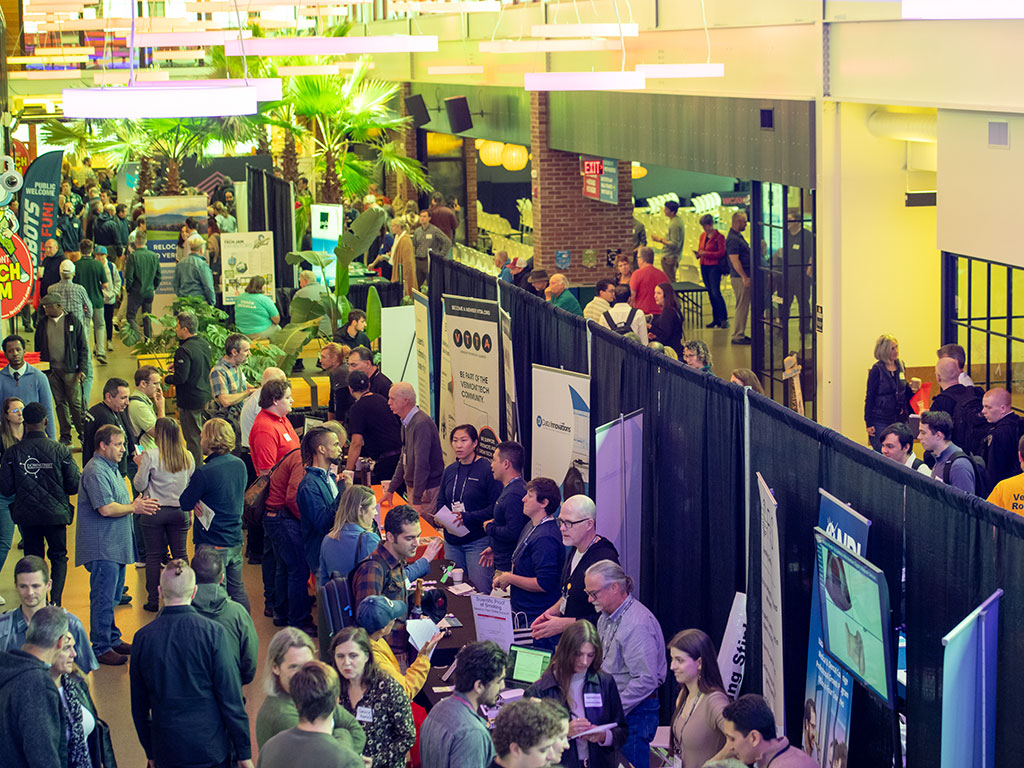
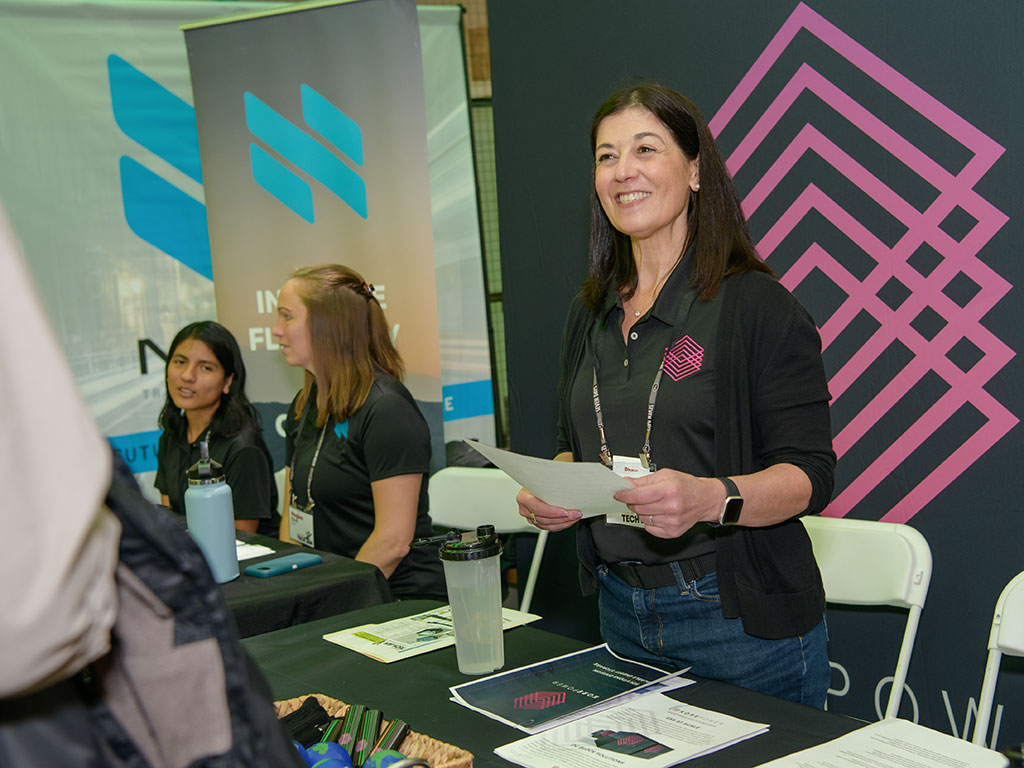
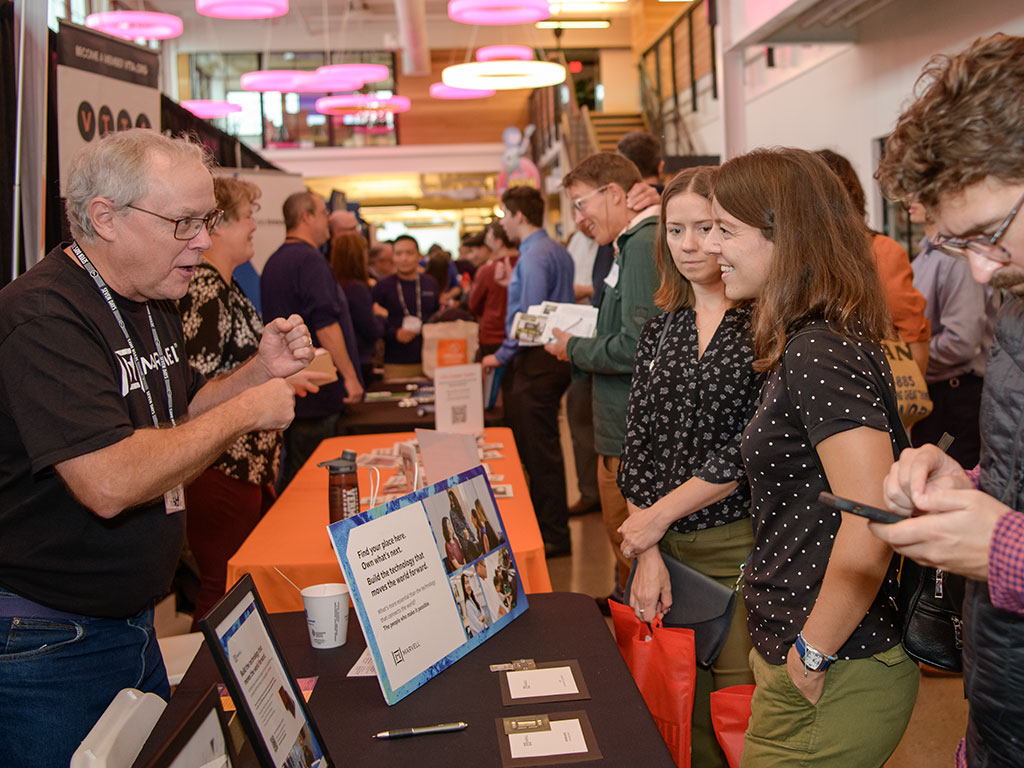
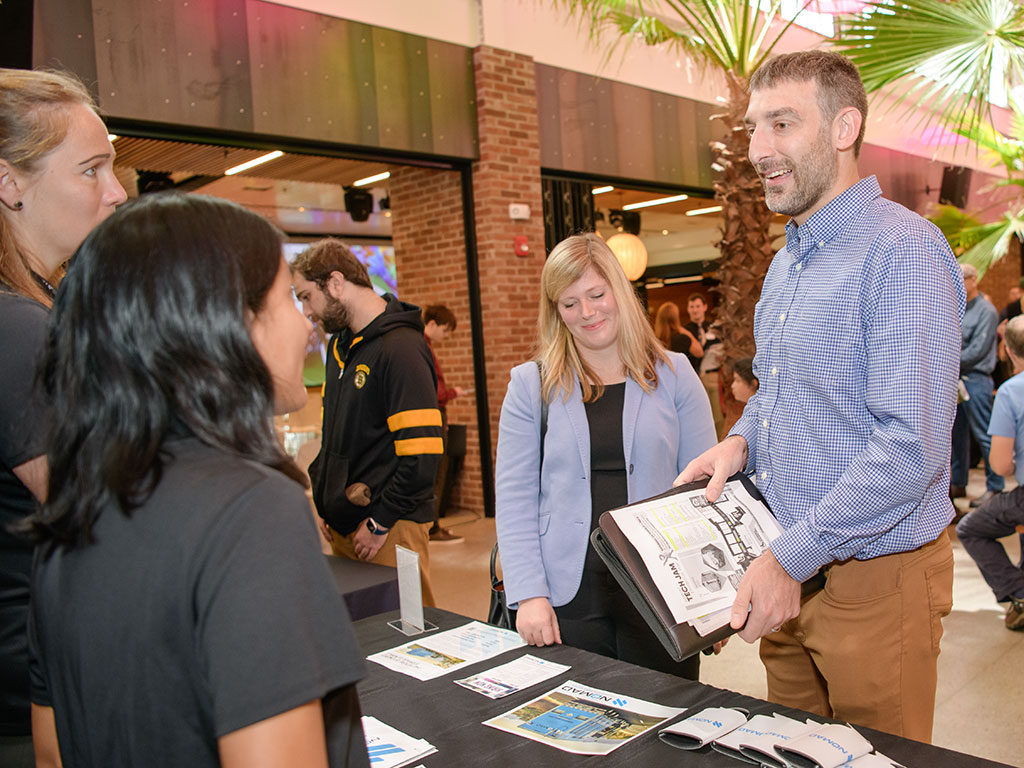
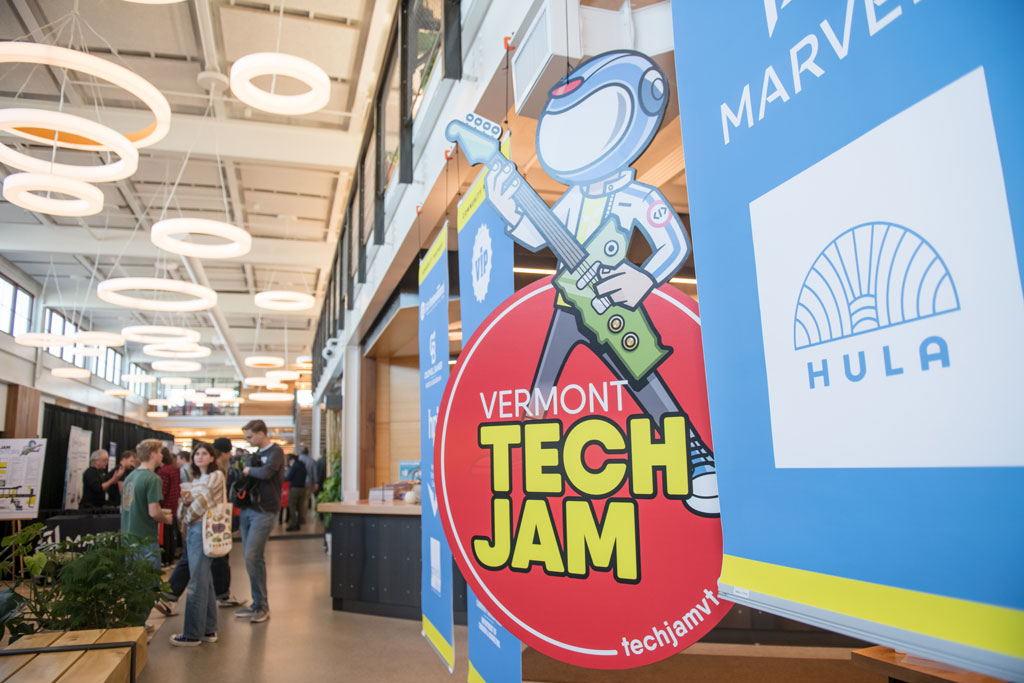
Vermont Tech Jam is an annual career and tech expo, organized by Seven Days, that showcases some of Vermont’s most innovative companies. More than 1,000 people attended the 2023 Jam held at Hula, a coworking campus on the Burlington waterfront.
Since 2008, thousands of job seekers, career changers, tech professionals, college students and curious Vermonters have connected with local companies at the Tech Jam.
When’s the next Jam?
Save the date: Saturday, October 26, 2024, at Hula.
Take a look back at 2023…
2023 KEYNOTE PRESENTATION
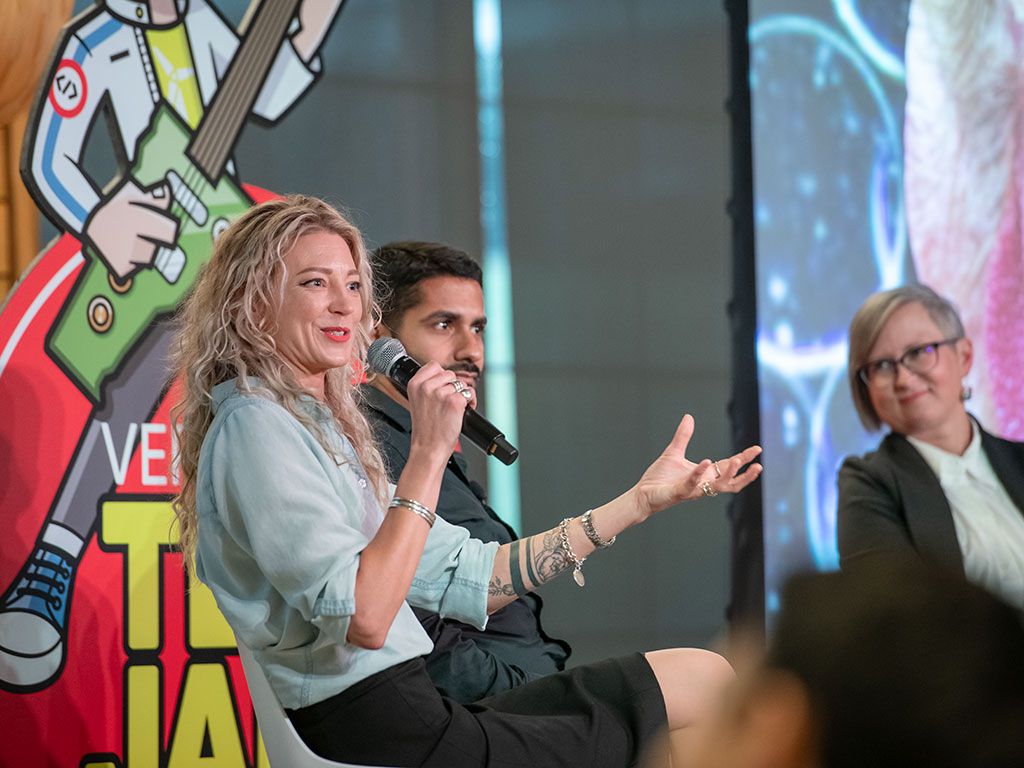
Will Vermont Go For Lab-Grown Meat? with Dr. Rachael Floreani & Irfan Tahir
Everybody’s gotta eat. The keynote presentation at the 2023 Vermont Tech Jam focused on a new way to feed people — by growing meat in a lab instead of raising and slaughtering animals.
Proponents of “cellular agriculture” point out that the world’s population is rising fast, and meat consumption is growing right along with it. Today the world slaughters 80 billion animals a year. More and more land and water are required to raise them. The result is increasing greenhouse gas emissions.
Hundreds of researchers across the globe are working to make the production of cell-cultured meat more affordable and sustainable — including two based at the University of Vermont: Dr. Rachael Floreani, an associate professor of mechanical engineering, and PhD candidate Irfan Tahir. Floreani’s startup, Burlington Bio, was one of the exhibitors at the 2023 Tech Jam.
Seven Days deputy publisher Cathy Resmer interviewed Floreani and Tahir. Their wide-ranging conversation covered how cell-cultured meat is made, what challenges remain to be solved before cell-cultured meat is available at the grocery store — spoiler alert, there are a lot of them — what these two scientists are hoping to contribute to the field and why they believe it’s worth exploring in Vermont. The session concluded with an audience question-and-answer session, which included queries from Vermont farmers.
Find more information on Floreani and Tahir in this Seven Days feature story by food writer Melissa Pasanen from the 2023 Tech Issue: “High Steaks: Lab-Grown Meat Could Help Feed a Climate-Changed World. Newly launched Burlington Bio Hopes to Take a Bite.”
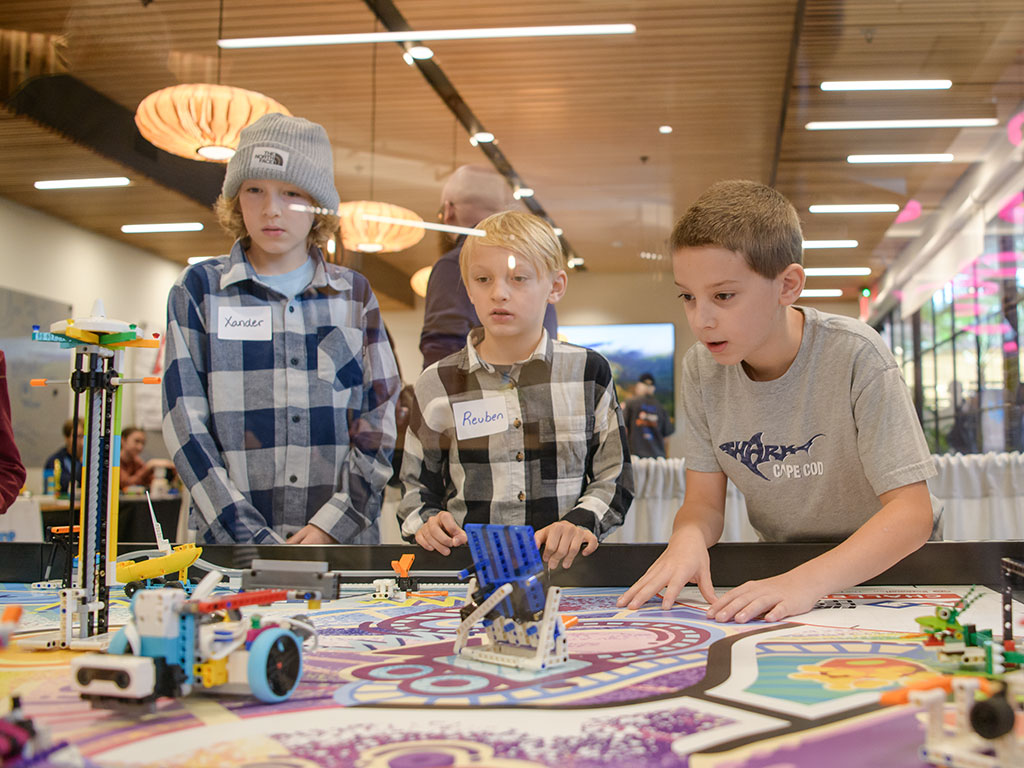
Tech Jam 2023: The future is here.
Photos © Daria Bishop Photography
By the Numbers:
- Exhibitors: 50
- Attendees: 1200+
- Years since the first Tech Jam: 15
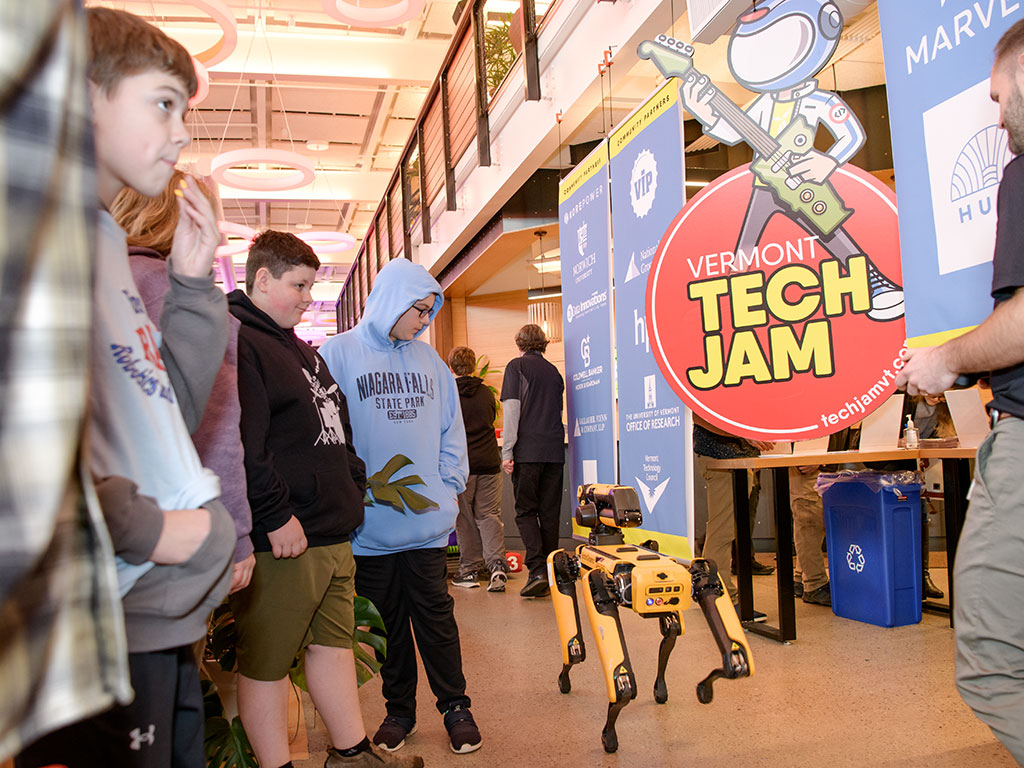
- Robot dogs: 1
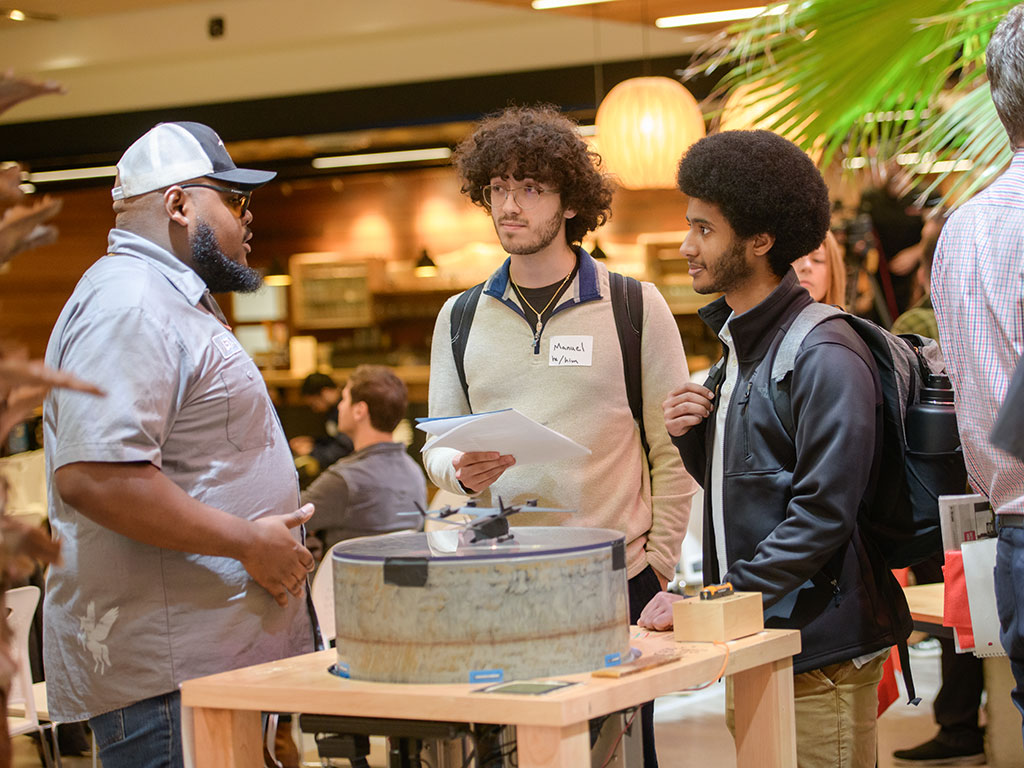
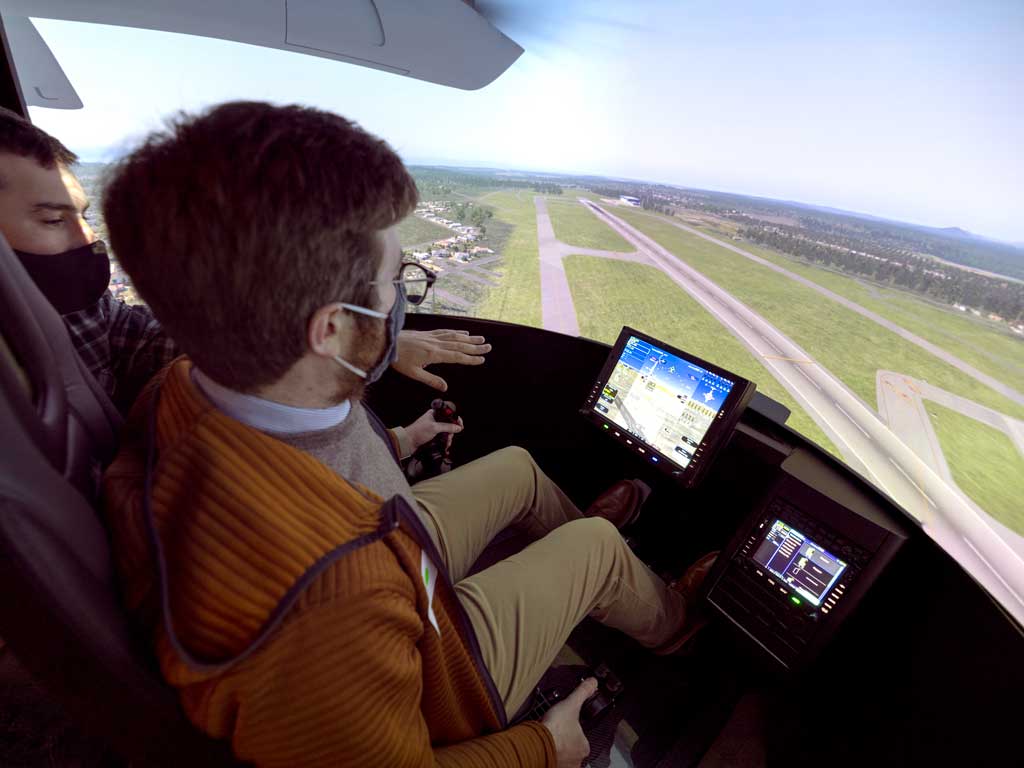
The 2023 career and tech expo at Hula Lakeside in Burlington really rocked, from the FIRST in Vermont student robotics parades to the instant headshots by Montpelier’s Storyworkz, from BETA Technologies’ MobileDome flight simulator to the reception sponsored by KORE Power.
The Tech Jam concluded with a keynote presentation featuring Dr. Rachael Floreani & Irfan Tahir discussing the question: Will Vermont Go For Lab-Grown Meat?
Thank you to our hosts at Hula, to all of our community partners and to the exhibitors for a day of fascinating conversations and new local connections.
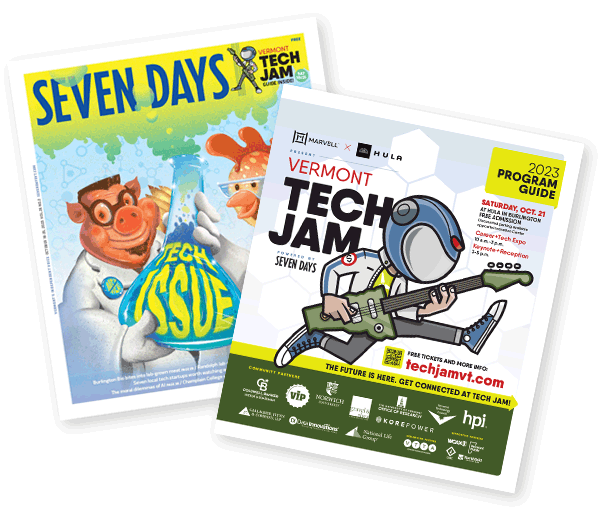
Read Up on the 2023 Presenters and Exhibitors
Find bios for all the exhibitors, get some background about our keynote presenters and read more about Vermont’s tech scene in the Tech Jam Program Guide and the Seven Days Tech Issue.

Get on the list!
We’ll email you when we have more Tech Jam news to share.
Tech Jam 2023 is presented by


Community Partners






Supporting Partners



Powered By

Organizing Partner
Jammers Unite!
Jammers Unite!
Job Seekers
Looking for work? Speak with recruiters from dozens of local tech companies looking to expand their teams. Update that résumé and start researching the companies you want to connect with. It’s time to get back in the ring.
Techies
Step away from the computer and chat with humans IRL. It’s rare to find so many like-minded individuals under one roof, so come connect with them and learn what they’ve been up to. You could come away with an awesome new idea or some help for that next big project.
Teachers & Parents
Plumber, doctor, artist and chef are all great career choices, but what about inventor, scientist and engineer? Bring your students to Tech Jam to show them future career paths they may not have known existed — especially in Vermont.
College Students
Looking for a job? Internship? Get that résumé up to date because dozens of local companies working in tech will be at the Jam and are ready to meet you. So go iron that button-down shirt and practice — you’ve got this!
I love Tech Jam!
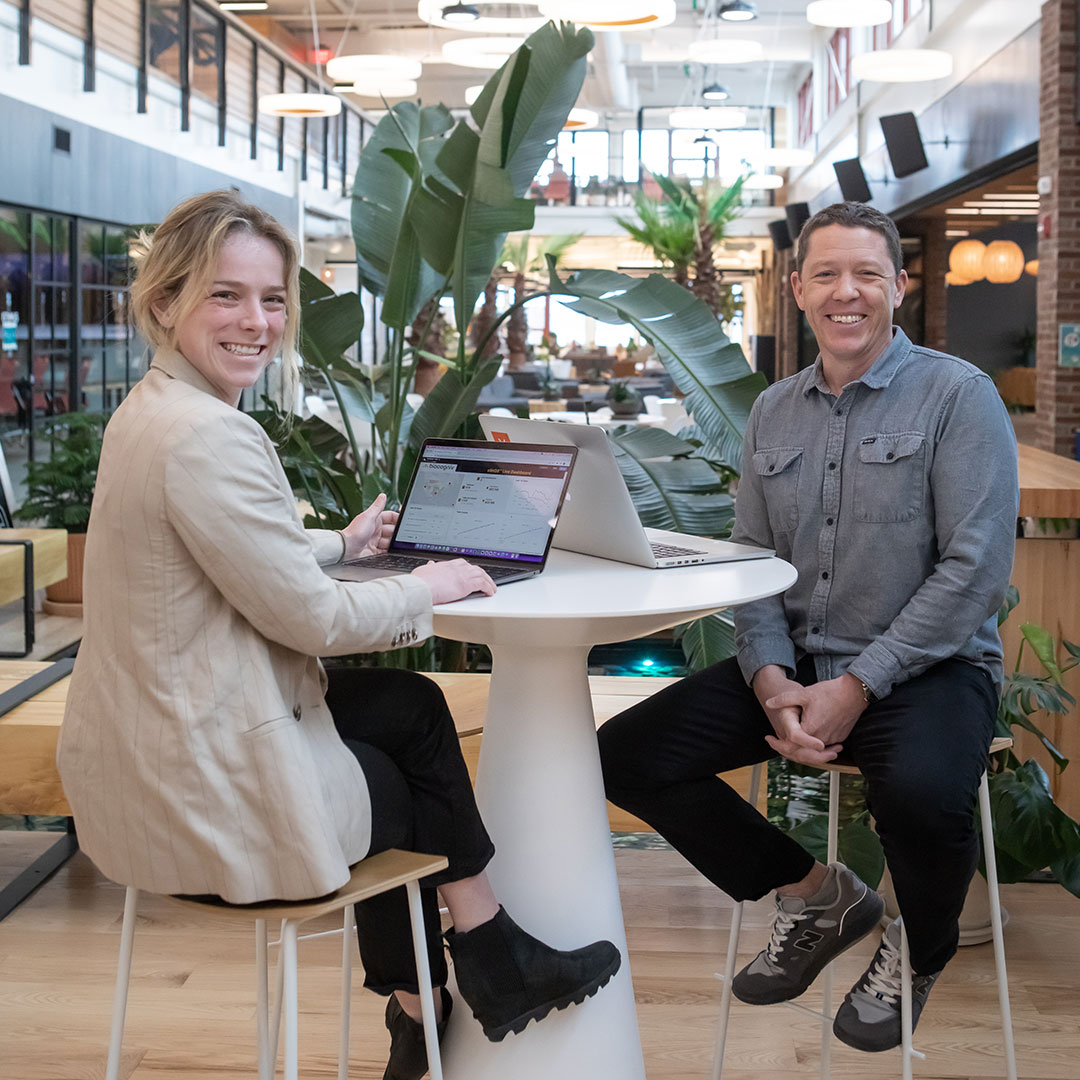
Our growing company, Biocogniv, leverages artificial intelligence to tackle sepsis, the leading cause of in-hospital death in the United States, as well as other acute conditions before they become irreversible. Our offices are in Burlington’s Hula coworking campus and when we found out the 2021 Vermont Tech Jam was happening here, we knew we had to participate.
Exhibiting at the Tech Jam paid off. We were fortunate to meet Kylin Willis, a biomedical engineering student from the University of Vermont, who stopped by our office to learn about Biocogniv. Not long after, she started as an intern and is now our latest full-time hire. We are thrilled to have her on the team and glad we were able to keep a recent graduate turned young professional in Vermont.
Our team is looking forward to the next Tech Jam at Hula in October.
Jabez Boyd
COO, Biocogniv Inc
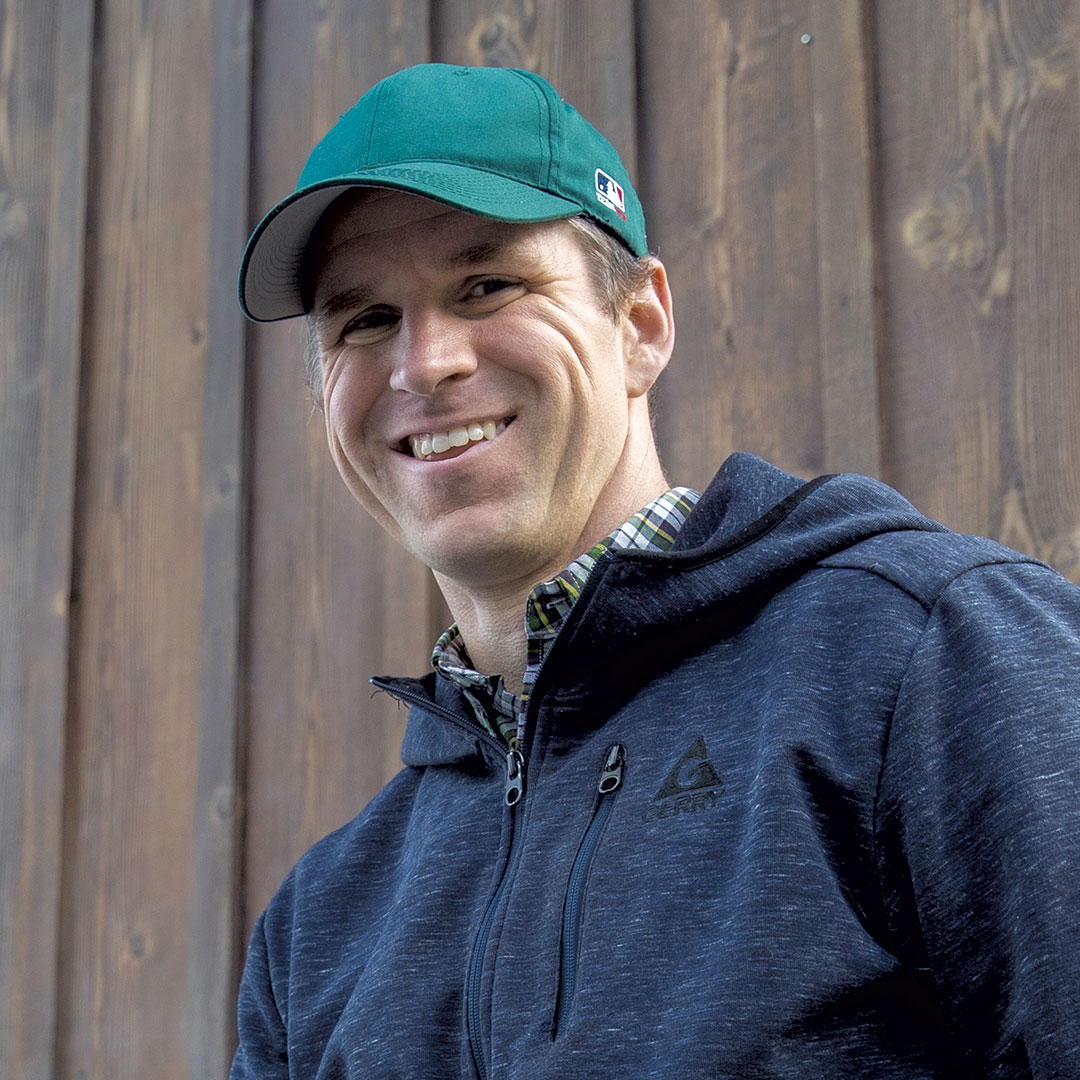
I’ve attended as a job seeker and as an exhibitor on behalf of my employer, VEIC.
At my first Tech Jam, I was considering a career change into data analytics. The event gave me a chance to chat with recruiters and professionals in the field. Everyone I met was more than happy to offer advice and encouraged me to apply for jobs once I felt ready. I still remember having some great conversations with people from two companies that I hadn’t even been aware of previously: Greensea and MicroStrain (now Parker LORD). A couple years after my first visit to a Tech Jam — and after taking much of the free advice I got there — I found a position with VEIC that has been more satisfying than I could have expected.
In the years since, I’ve attended on behalf of VEIC. The Tech Jam is a great way to connect with people from all different fields — it’s surprising how often people in very different industries are facing analogous problems in data analytics. This event is a rare opportunity to meet people from a wide range of local companies all under the same roof. I look forward to it every year.
Mike Fink
VEIC energy data analyst
Tech Jam 2022: Let’s work together.
Photos © Daria Bishop Photography
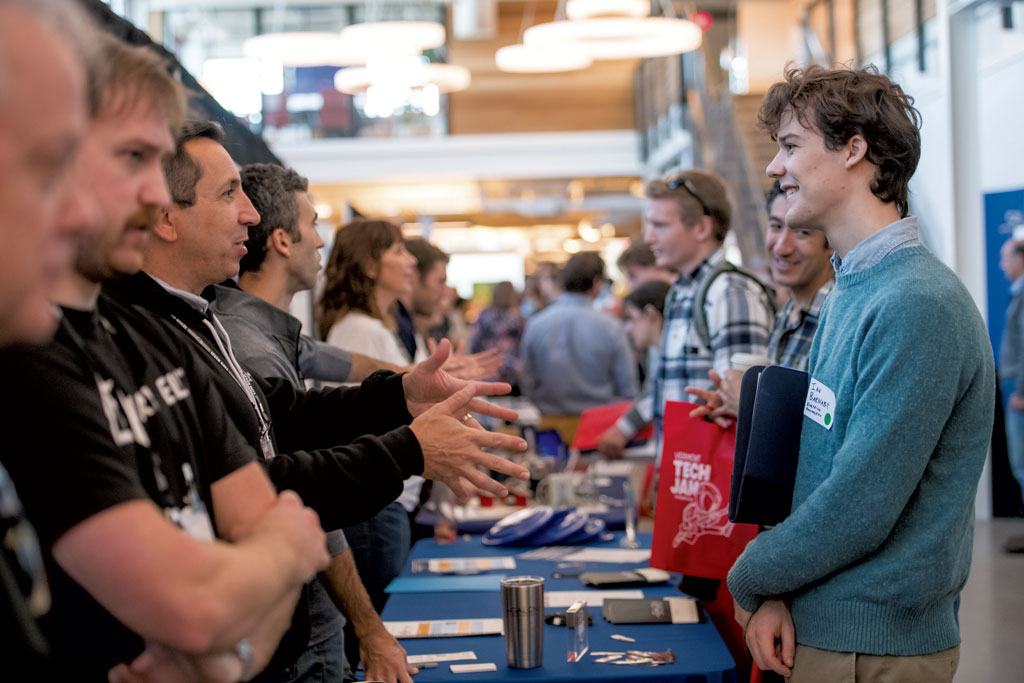
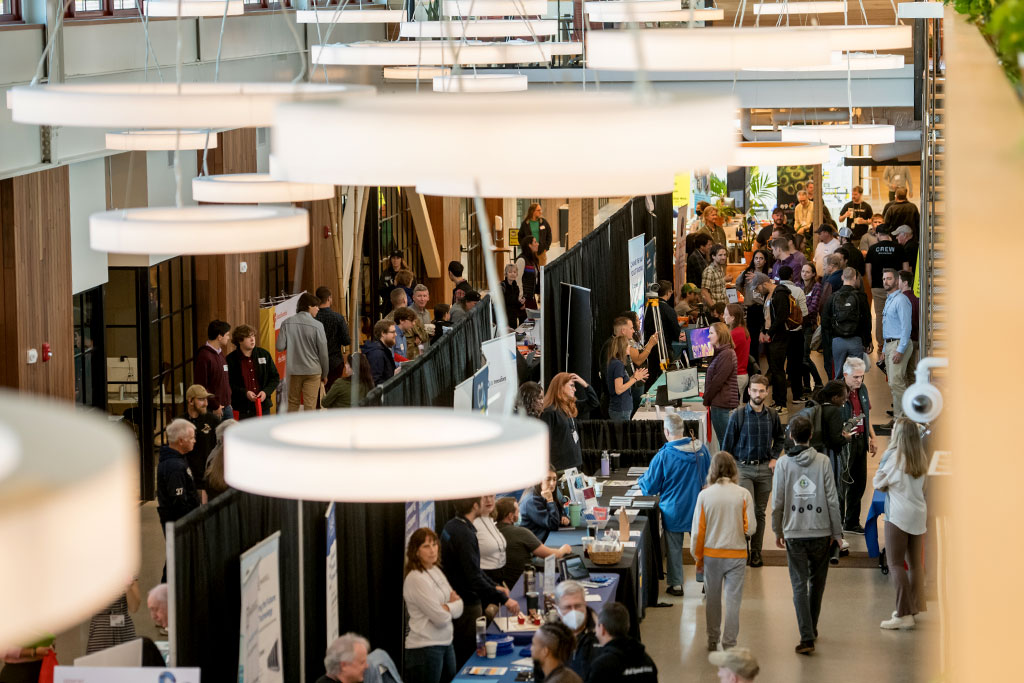
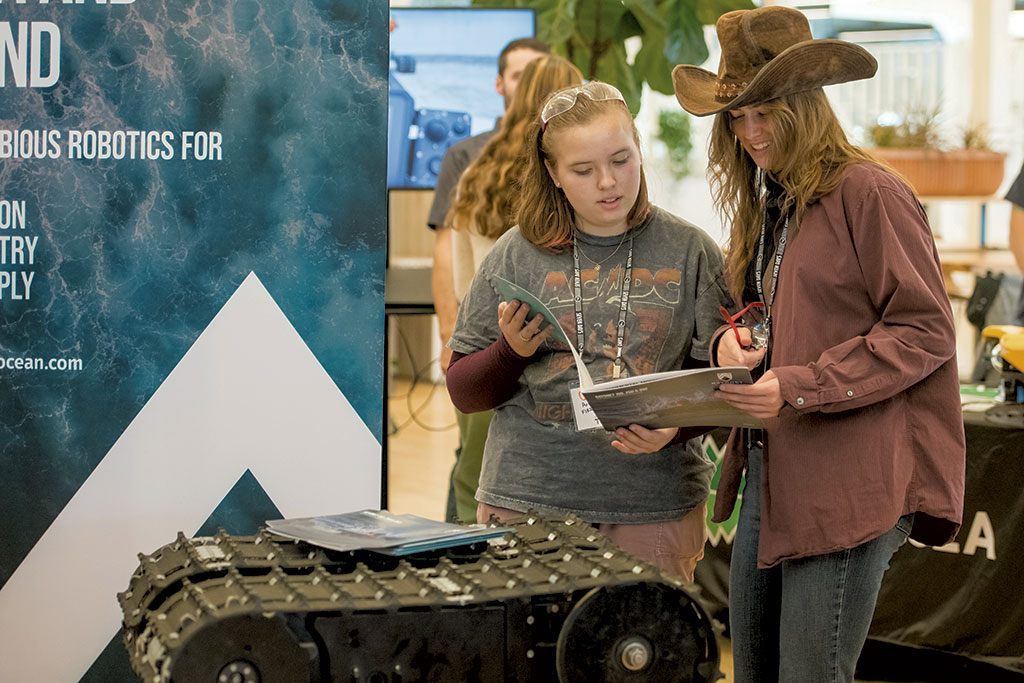
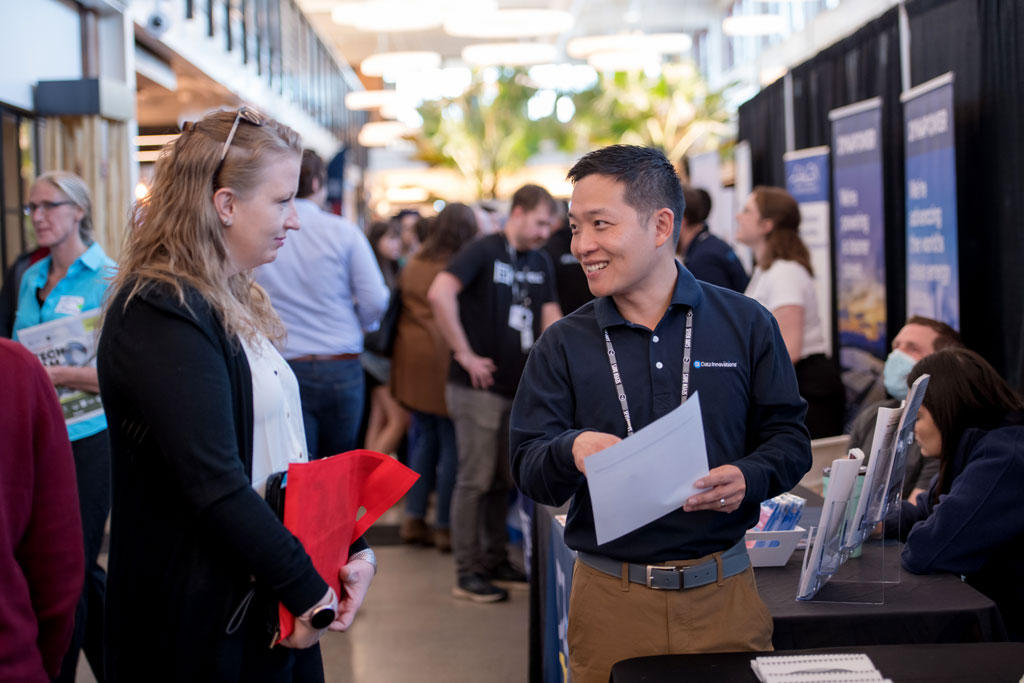
The Vermont Tech Jam, Seven Days’ career and tech expo, returned to Hula Lakeside in Burlington on Saturday, October 22. More than 40 employers came to the tech campus with open jobs to fill.
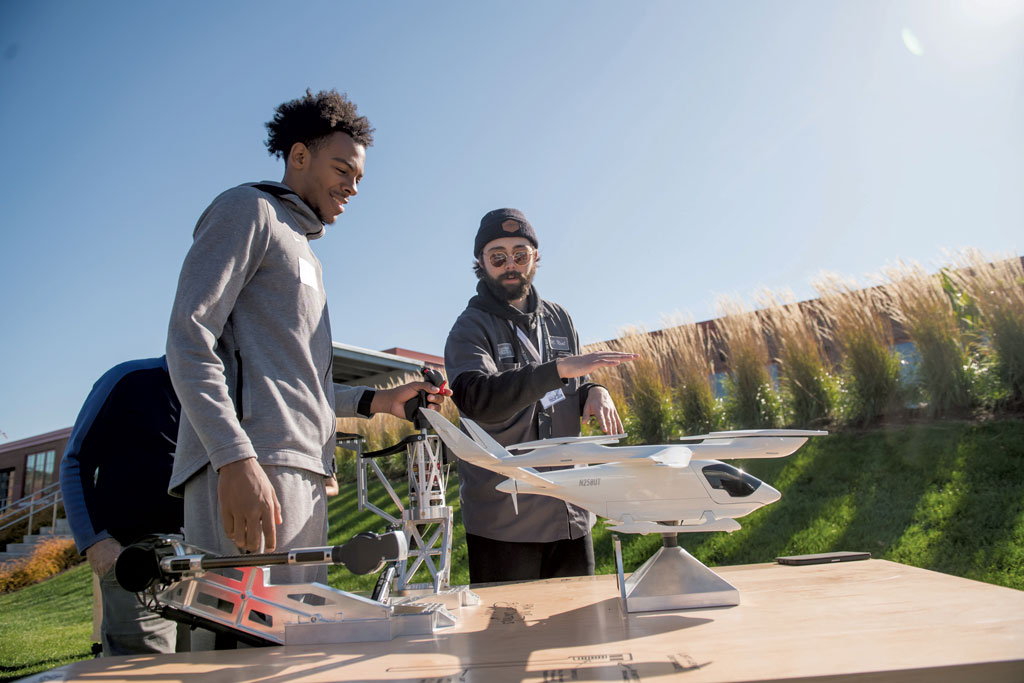
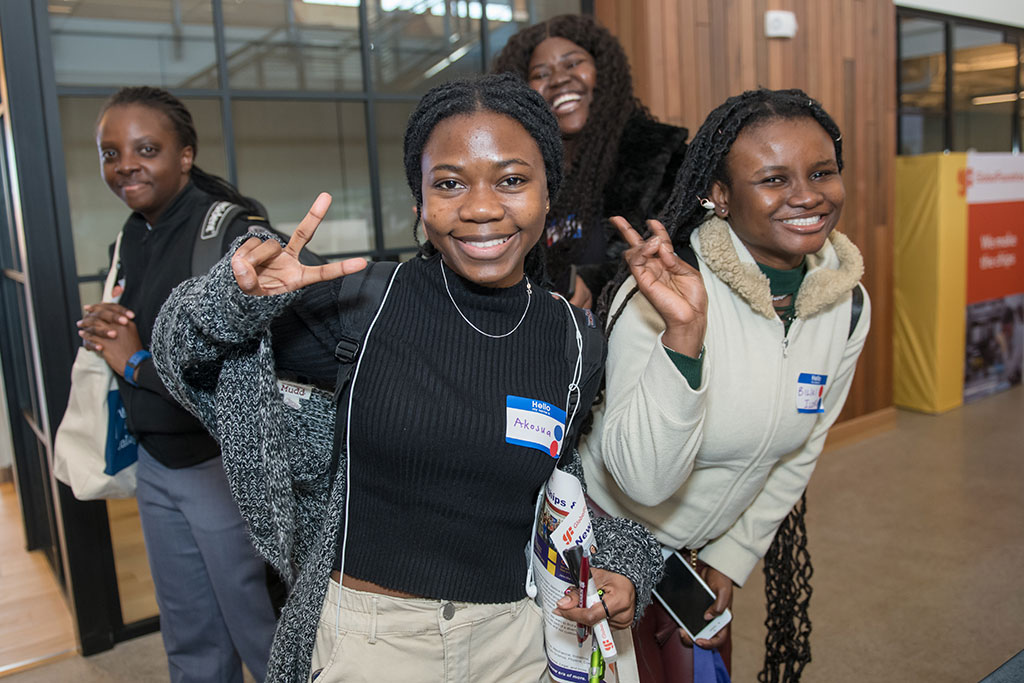
They met with nearly 1,000 Jammers who wandered through the former factory to talk tech: job seekers, college students, entrepreneurs, FIRST robotics coaches, tech professionals, candidates and elected officials including Burlington Mayor Miro Weinberger. Crowds congregated outdoors, too, in front of Beta Technologies’ MobileDome flight simulator.
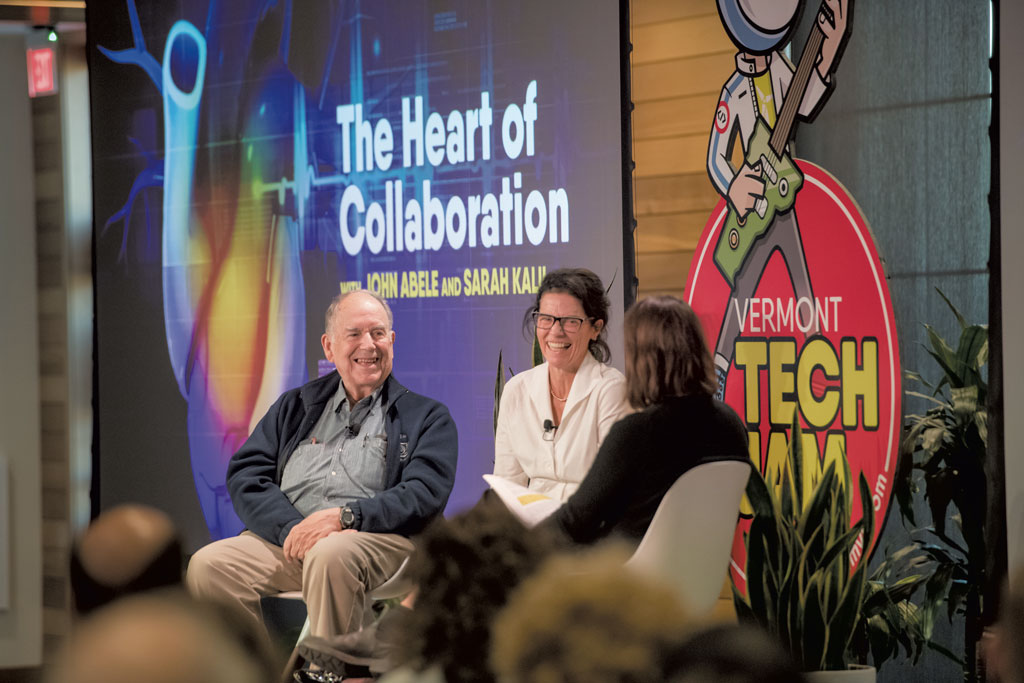
The Tech Jam concluded with a keynote presentation featuring inventor, philanthropist and Boston Scientific cofounder John Abele and CoreMap CEO Sarah Kalil.
Thank you to our hosts at Hula, to all of our community partners and to the exhibitors for a day of fascinating conversations and new local connections.
Tech Jam 2021: Reboot. Reconnect. Reimagine.
Photos © James Buck
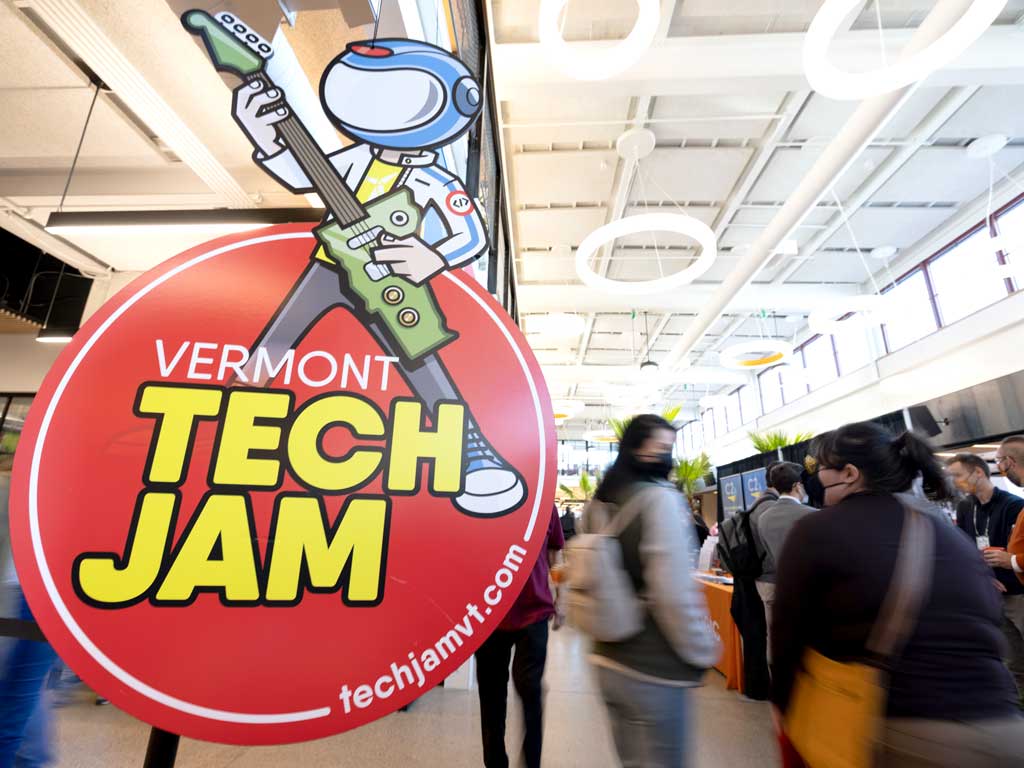
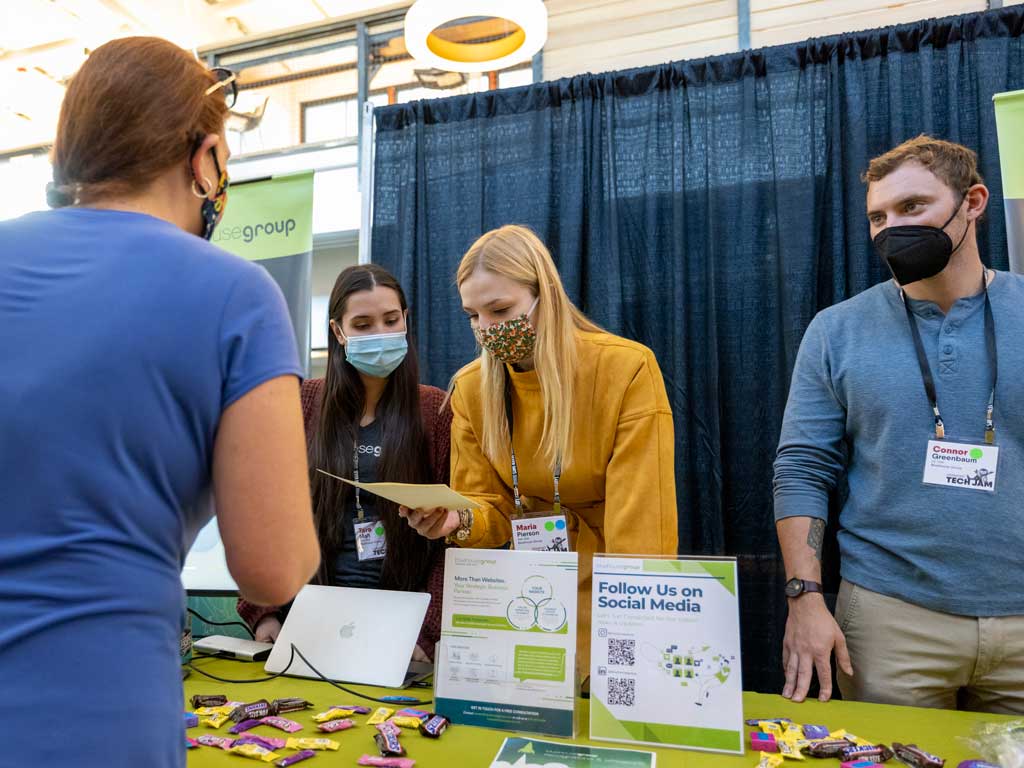
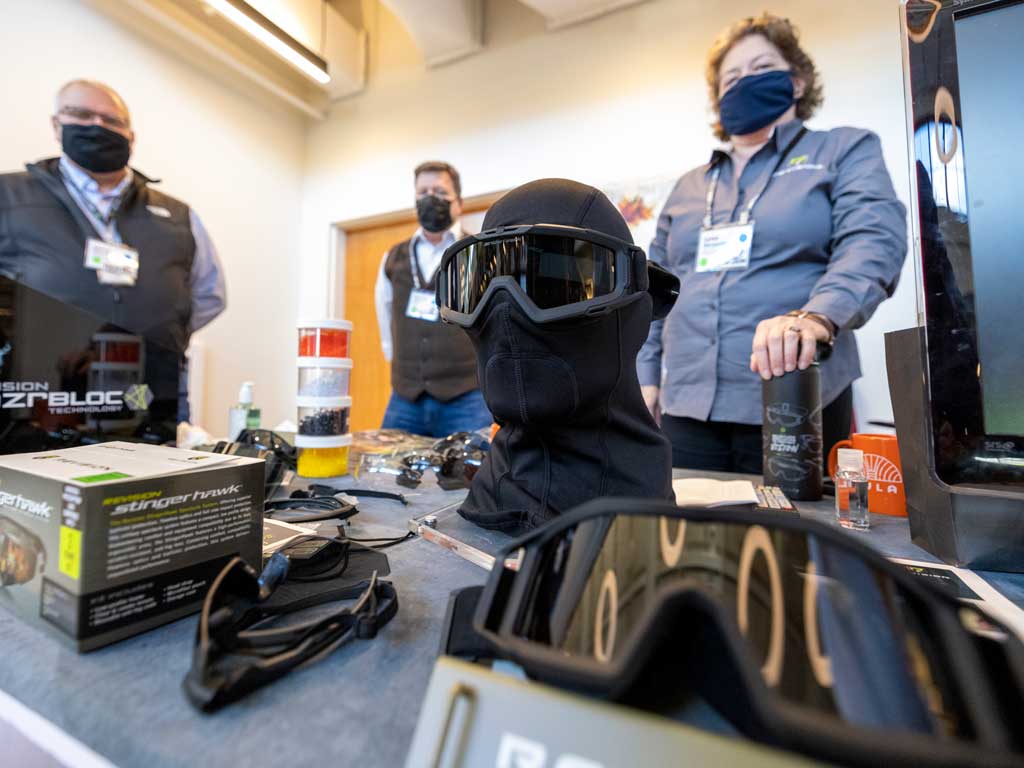
The Vermont Tech Jam career and tech expo, returned to Burlington on Saturday, October 23, 2021. The weather was perfect, and so was the timing. Dozens of employers came to Hula with open jobs to fill.
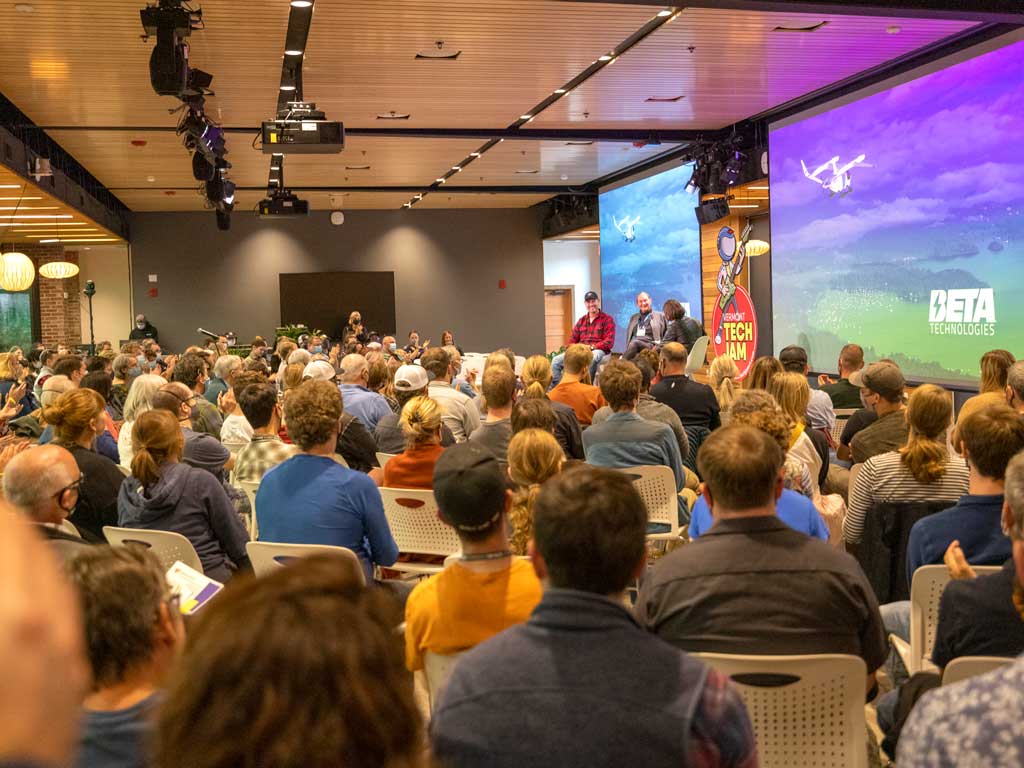
Roughly 1,000 mask-wearing Jammers wandered through the former oven factory to talk tech including job seekers, college students, entrepreneurs, FIRST robotics coaches and teachers — including Karen McCalla, the recently announced Vermont Teacher of the Year. Exhibitor space sold out; so did the afternoon session.
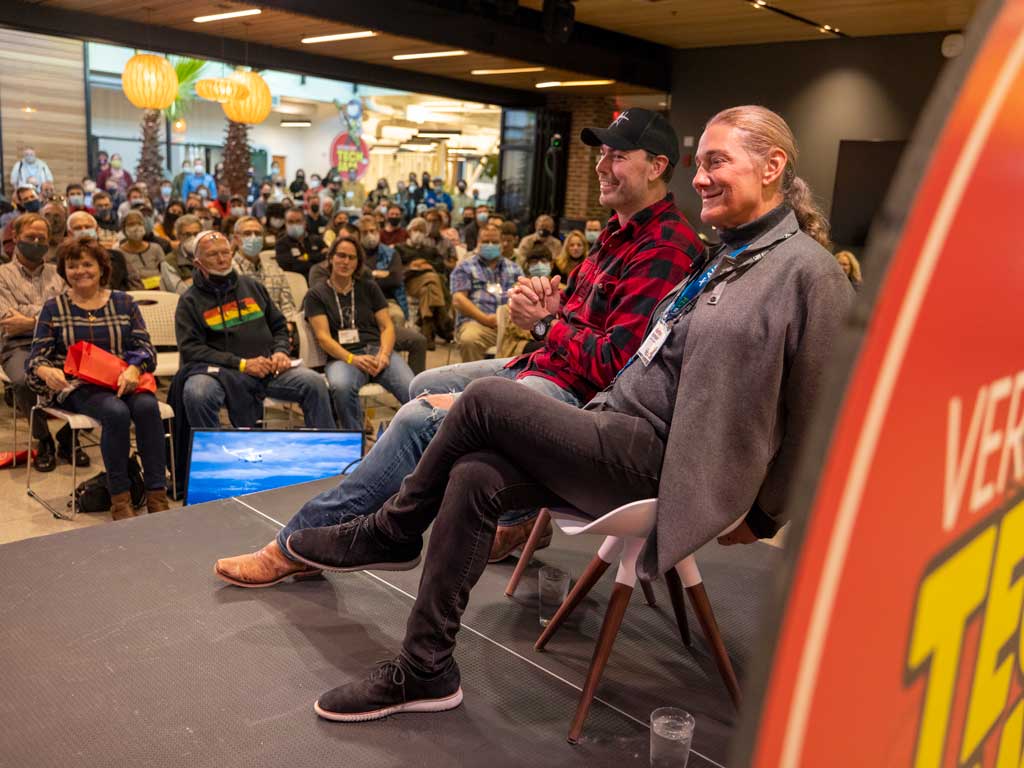
The Tech Jam concluded with a keynote presentation featuring Beta Technologies founder and CEO Kyle Clark and Beta’s first customer, Martine Rothblatt, CEO of United Therapeutics. They spoke to a standing-room-only crowd about their unique partnership, and where they see Beta going over the next few years.